
The Allure of Risk and Reward
One of the primary psychological factors that draws individuals to casino gaming is the allure of risk and reward. This concept is deeply rooted in human nature, where the possibility of winning a substantial amount of money creates an exciting thrill. Players experience a rush of adrenaline with each bet placed, engaging their emotions and heightening their senses. This psychological stimulation can be addictive, leading individuals to seek out that euphoric feeling repeatedly, even if the odds are not in their favor. For those interested in online gaming, many players log in to their favorite platforms like love casino login to experience that rush. The excitement of potentially hitting a jackpot can overshadow the reality of the statistical odds behind casino games.
Many players tend to overlook the mathematics of probability, focusing instead on the dream of what their lives could look like if they win big. This cognitive bias, known as the ‘gambler’s fallacy,’ can lead individuals to believe that their luck can change at any moment, encouraging them to continue playing despite repeated losses. For instance, a player who has experienced a losing streak might convince themselves that a win is just around the corner, thus justifying further bets. This paradox of expectation can lead to a dangerous cycle of gambling behavior, where hope continues to drive action despite clear signs of a potential loss.
This draw towards risk-taking is present not only in gambling but in various aspects of life. The thrill of the unknown and the potential for high rewards can be more appealing than pursuing safer alternatives. Consequently, casinos harness this psychology through various strategies, such as brightly lit environments, engaging sounds, and the use of free drinks, all designed to enhance the overall experience and keep players engaged for longer periods. The environment is meticulously curated to amplify the thrill of the game, making it hard for players to resist the urge to continue betting and seeking that next big win.
The Role of Emotion in Gambling Behavior
Emotion plays a crucial role in influencing gambling behavior, with many players relying on their feelings to make decisions at the table or gaming machines. For instance, individuals may use gambling as an escape from stress, anxiety, or depression. The immersive nature of casino environments can provide a temporary reprieve from real-life problems, allowing players to indulge in a fantasy world where they can momentarily forget their worries. This escape mechanism can be particularly appealing during times of personal crisis, leading individuals to seek solace in the games.
Addiction can emerge when players begin to rely on gambling as their primary source of joy or distraction. This emotional dependency can lead to compulsive gambling behaviors, where individuals chase losses and continue to gamble beyond their means. The cycle of winning and losing can create a rollercoaster of emotions that further entraps players, making it difficult to break free from the habit. As players oscillate between highs and lows, their emotional investment in the game deepens, reinforcing their commitment to continue playing in hopes of recapturing the initial thrill.
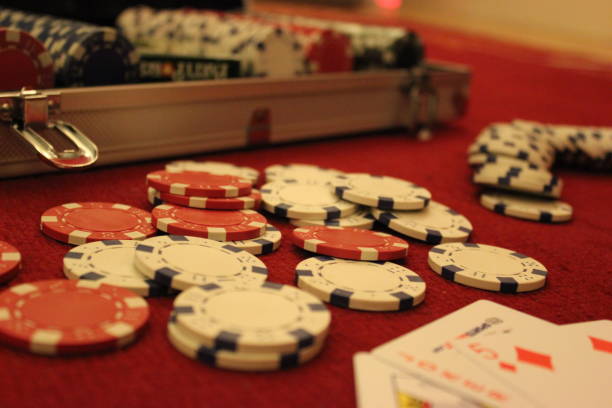
Moreover, the design of casino games is often intended to elicit emotional responses. For example, the use of vibrant colors, enticing sounds, and celebratory animations when a player wins can reinforce positive feelings associated with gambling. The enhancement of these emotional highs can create a sense of urgency to keep playing, as individuals chase that euphoric moment again and again. This manipulation of emotions is a powerful tool that casinos employ, ensuring that players remain engaged and emotionally invested in their gambling experience.
The Impact of Social Interaction
Another significant psychological aspect of casino gaming is the effect of social interaction. Many players are drawn to the communal aspect of casinos, where they can engage with others in a shared experience. The social environment fosters a sense of belonging and camaraderie, which can enhance enjoyment and encourage individuals to gamble more. Interacting with fellow players, sharing stories, and celebrating wins together can create a vibrant atmosphere that is hard to replicate in solitary activities. This social dynamic can turn gambling from a solitary venture into a collective experience, where the thrill is amplified by the presence of others.
However, social dynamics can also influence gambling behavior in more complex ways. Some individuals may feel pressured to continue playing in a social setting, even if they are losing. The desire to fit in with friends or peers can push players to take risks they might otherwise avoid. Casinos often capitalize on this by encouraging group gaming experiences, where the social aspect can overshadow personal financial well-being. This can lead to situations where individuals prioritize social acceptance over responsible gambling practices, further entrenching them in harmful habits.
Furthermore, the phenomenon of competitive gambling can emerge in social settings, where individuals feel compelled to show off their gambling prowess to their peers. This can lead to irrational decision-making and increased risk-taking as players vie for attention or admiration. The social environment thus amplifies the psychological effects of gambling, creating scenarios where personal boundaries may be pushed beyond reason. In such instances, the thrill of competition can overshadow the importance of making sound financial choices, leading to greater losses and potential harm.
The Influence of Environment and Design
The physical environment of a casino is meticulously designed to enhance the gaming experience and manipulate players’ psychology. Elements such as lighting, color schemes, and layout have been strategically chosen to create an inviting and stimulating atmosphere. Bright lights and vivid colors are often employed to evoke excitement and energy, while the layout of gaming machines and tables is organized to encourage movement and prolonged engagement. This careful orchestration of the environment serves to envelop players in a sensory experience that is difficult to resist.
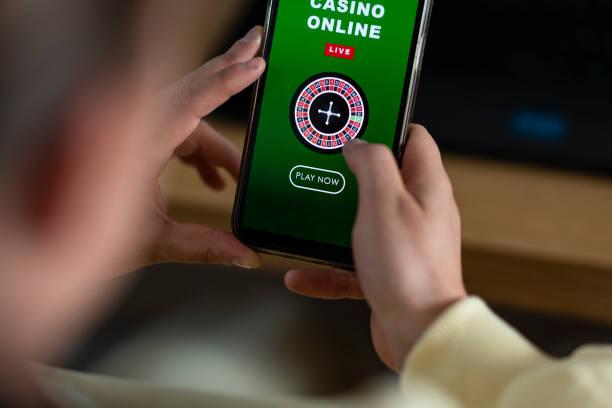
The auditory experience in a casino also plays a pivotal role in shaping behavior. The sounds of coins dropping, bells ringing, and celebratory music when a player wins create a euphoric atmosphere that reinforces positive emotions associated with gambling. These auditory cues trigger psychological responses, making players more likely to engage in gambling behavior and return to the casino for similar experiences. The interplay of sound and environment creates a multi-sensory experience that keeps players in a heightened state of excitement and engagement.
Additionally, casinos often lack clocks and windows, creating a disorienting environment where time becomes irrelevant. This design choice encourages players to lose track of time, resulting in longer gaming sessions that can lead to greater spending. By maintaining a controlled environment that prioritizes engagement over reality, casinos manipulate players’ psychological responses, ensuring that they remain absorbed in the experience. As players become engrossed in the ambiance, they may find it increasingly challenging to adhere to personal limits, further complicating their relationship with gambling.
Understanding Responsible Gambling
Understanding the psychology behind casino gaming is crucial for promoting responsible gambling behaviors. By recognizing the emotional and social influences at play, individuals can make more informed decisions about their gaming habits. Responsible gambling initiatives aim to educate players about the potential risks and encourage self-awareness regarding their gambling behavior and spending patterns. These educational efforts are essential in helping players navigate the complex emotional landscapes associated with gaming.
Various organizations and casinos implement tools and resources to promote responsible gaming, such as self-exclusion programs, spending limits, and educational materials. These resources help players recognize when their gambling may be becoming problematic and provide avenues for seeking help. Additionally, creating an environment that fosters open discussions about gambling addiction and support can contribute to reducing stigma and promoting healthier gaming practices. By raising awareness and providing support, the gambling community can work towards creating a safer environment for all players.
Ultimately, fostering a better understanding of the psychological factors at play in casino gaming can lead to more enjoyable and safe experiences for players. Encouraging individuals to develop self-regulation skills and awareness can help mitigate the risks associated with gambling and promote a healthier relationship with gaming. Through education, support, and self-awareness, players can enjoy the thrill of the game while maintaining control over their gambling habits, ensuring that the experience remains a source of entertainment rather than a pathway to distress.